Hello Brewers,
It’s been 864 days since I last posted here. As I find myself with more free time, I want to return to creative writing. I also wish to use this platform to write about a format I have loved playing since it started in 2010.
Commander.
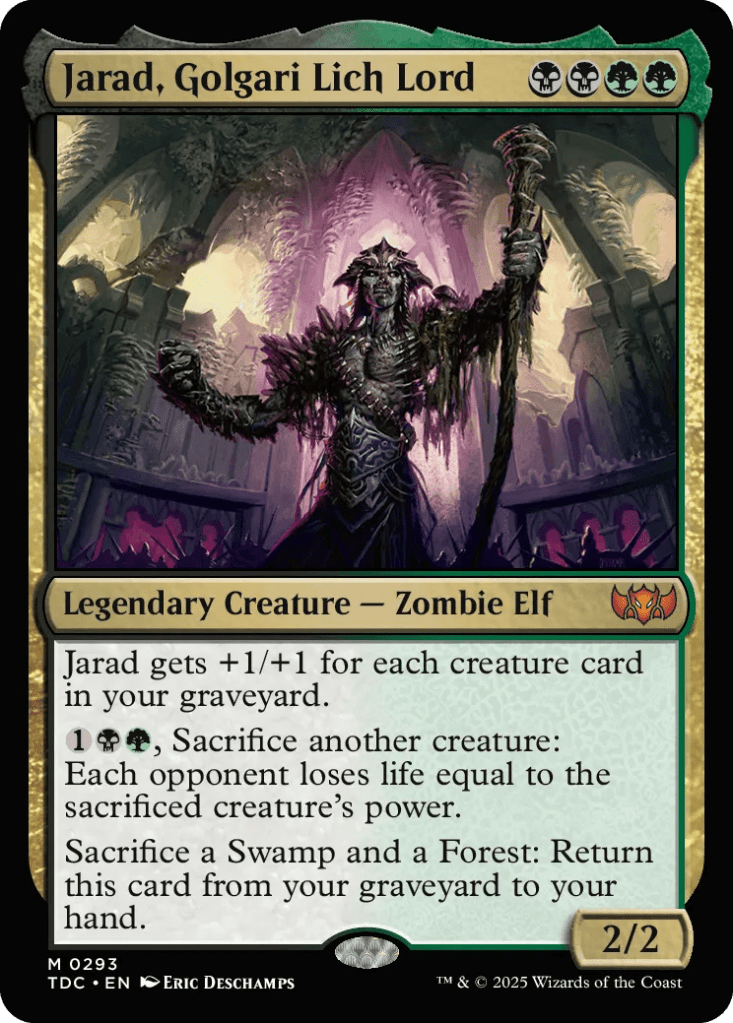
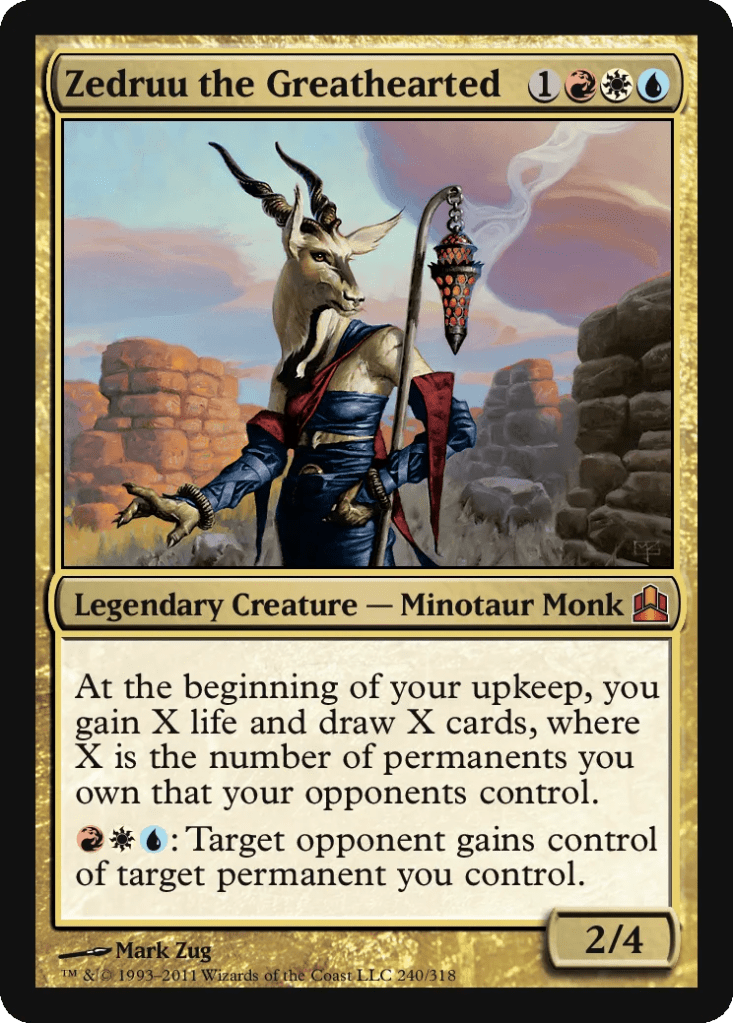
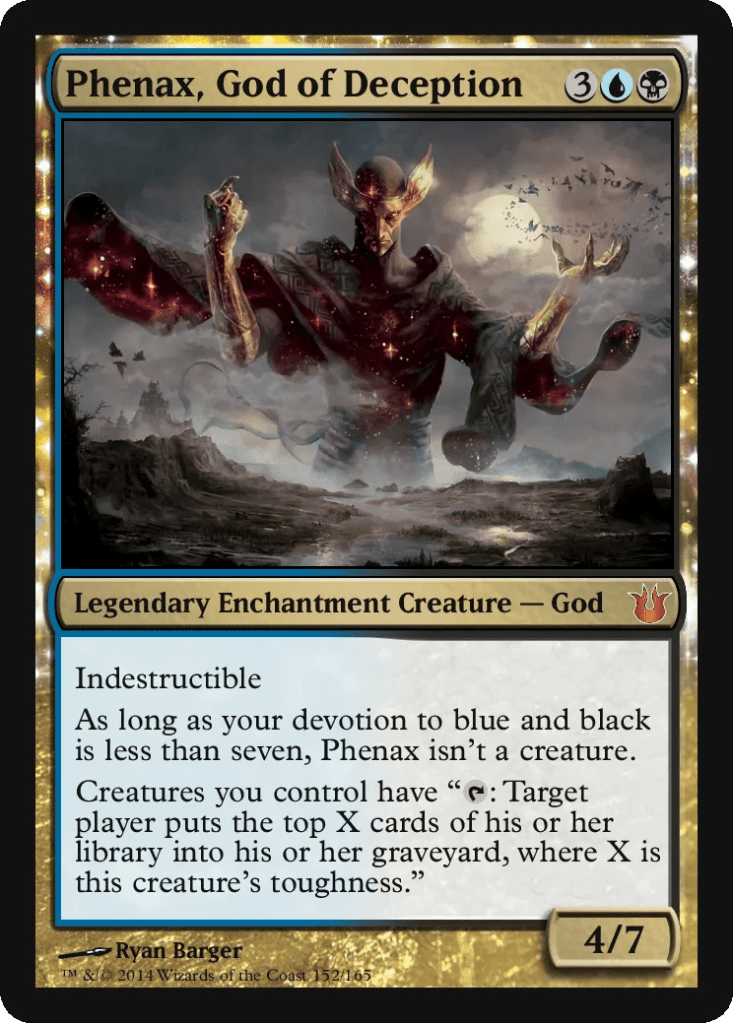
My very first playground, CMDRDMG, used to play regularly from 7:00am to noon at Coffee Bean and Tea Leaf at Centris back in the day, and they know me for building and playing a different deck every week. This proves I was and always will be a jank player. My very first commanders were Jarad, Golgari Lich Lord, or Zedruu, Bad Santa. I loved pushing builds to their limits, abusing group-hug enchantments with Maelstrom Wanderer, or milling opponents with Phenax.
Back in 2010, Commander was straightforward, and people built decks with clear intentions. Because there weren’t enough cards to make decks consistent like today’s decks, decks were naturally clunky and inconsistent. This required the table to really reserve interaction to prevent somebody from winning.
Another thing that was more transparent before was the power level. We didn’t have bracket systems and game changers in 2010. Still, people naturally had a fun time, having healthy turn-zero conversations, and people were more open, and perhaps more honest about how powerful their deck was and how they meant to play it.
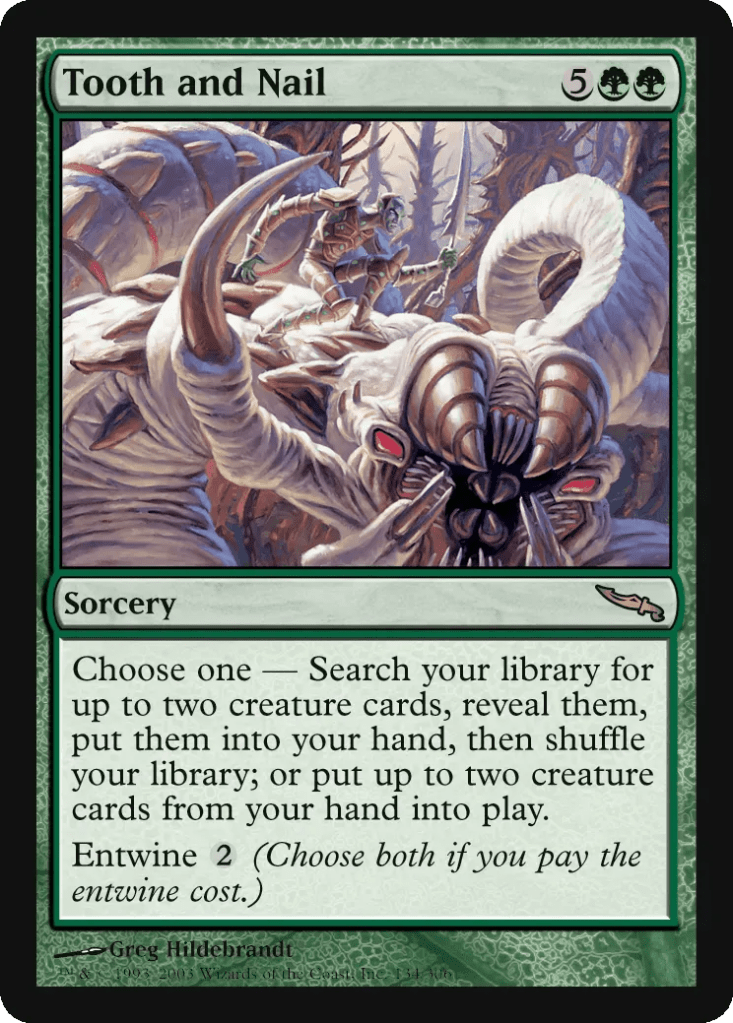
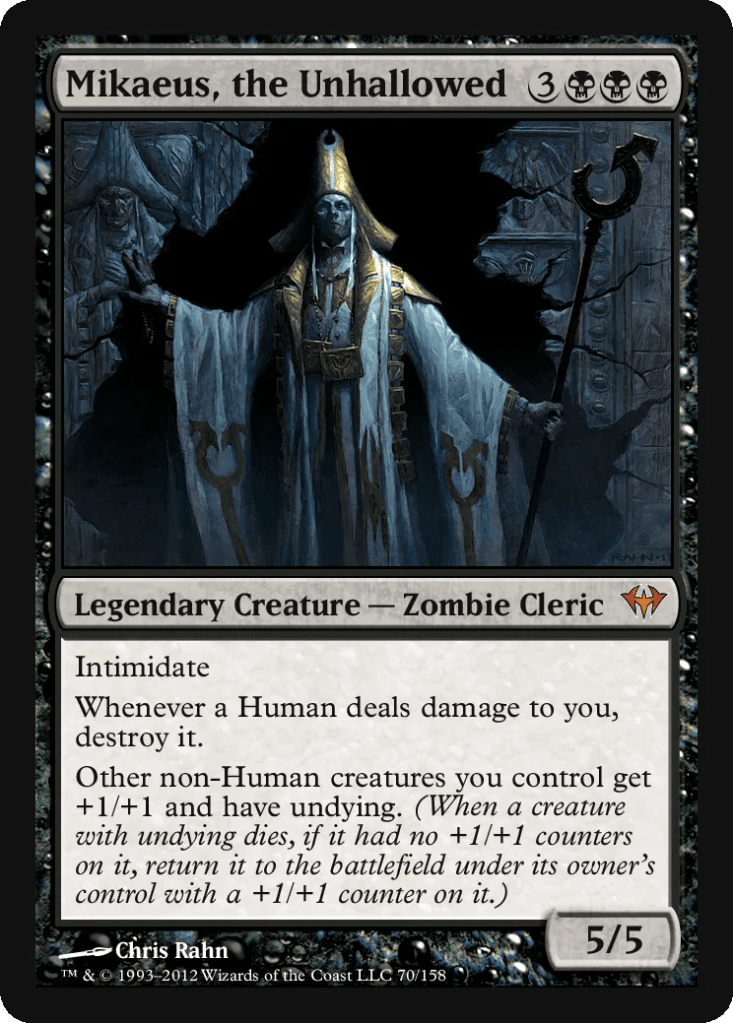
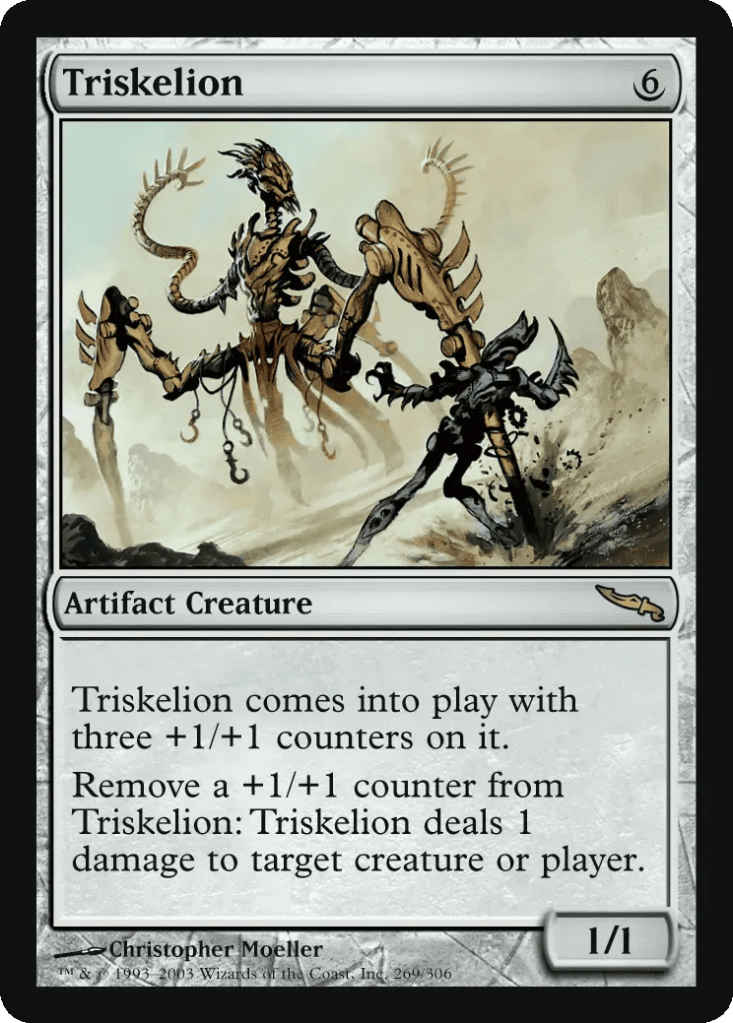
Casting Tooth and Nail to search for Mikaeus the Unhallowed and Triskelion wasn’t seen as a salty move; rather, it signaled that it was time to shuffle up and move to game 2. When the green player cast Genesis Wave for 10, people didn’t scratch their heads or frown in hopes that it would whiff; instead, they cheered to see the exciting cards that would be played. Lastly, when players used mass board wipes, be it Armageddon, Cataclysm, or Jokulhaups, people didn’t view it as a waste of time. Most had a plan on how to win, motivating the table to get ready for another game.
Today, I have a new playgroup, the SUNDAPPLED GANG (although this name changes based on the mood). I can’t say it feels the same. While I still love the format and many of the people who still play the game, what I don’t understand is why some people understate their intentions, misrepresent their decks and skills, then pubstomp the table. It’s literally tricking people into believing a lie so they can play without obstruction or be left alone so they can do their thing.
Some players may indeed have underpowered decks or lack experience with the format, so they need to communicate this to ensure an enjoyable experience for everyone. However, when someone who frequently buys several packs, builds decks with high-powered cards that cost a small fortune, and plays regularly tries to misrepresent their intentions or the capabilities of their deck, I find it unacceptable. They should be honest about what their deck can do instead of pretending otherwise.
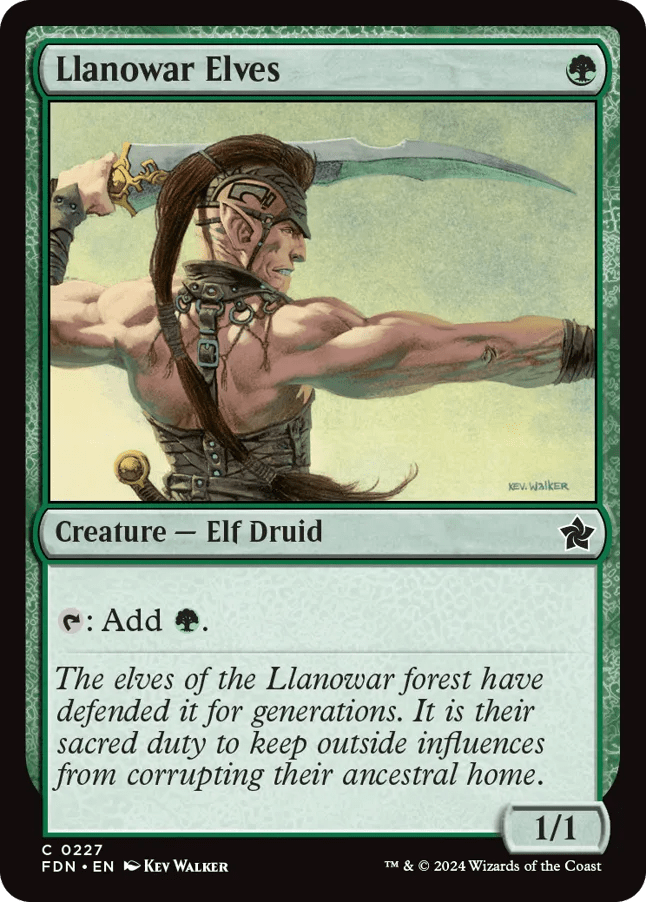
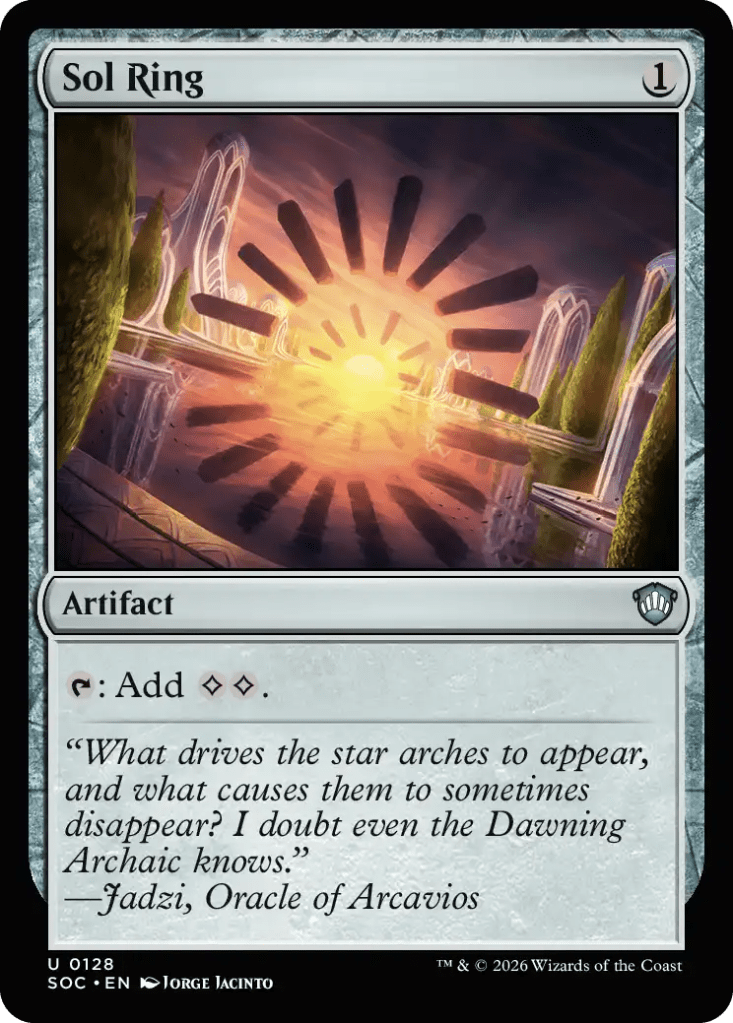
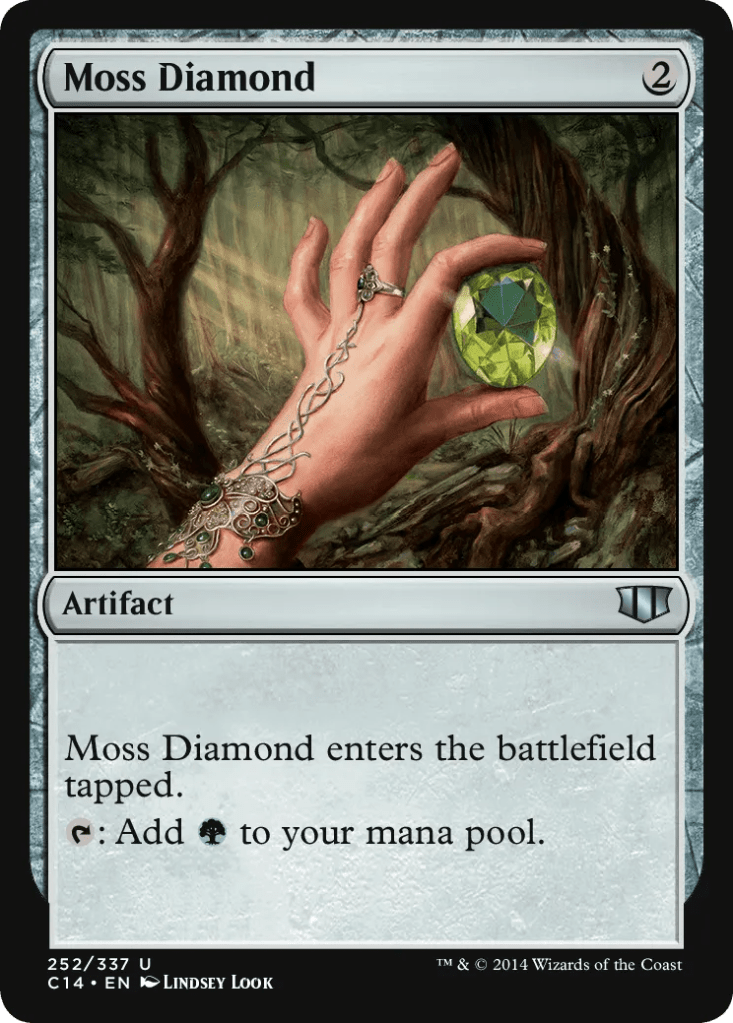
I can already hear it – “But my deck is bracket 3, I don’t have game changers.” All I can say is – fuck that. Back in 2010, we didn’t have game changers, but you can ramp so hard with Sol Ring, a bunch of elves, and a Fellwar Stone and Moss Diamond to cast a Tooth and Nail for 9 with Entwine and end the game before turn 6, but you won’t hear anyone complain. Why? Because people say that out loud, signalling the table to keep a Counterspell up, or save removal to slow the green player down. How? Because the green player is honest about what the decks can do and what he intends to do with them.
Simple. But apparently, not easy.
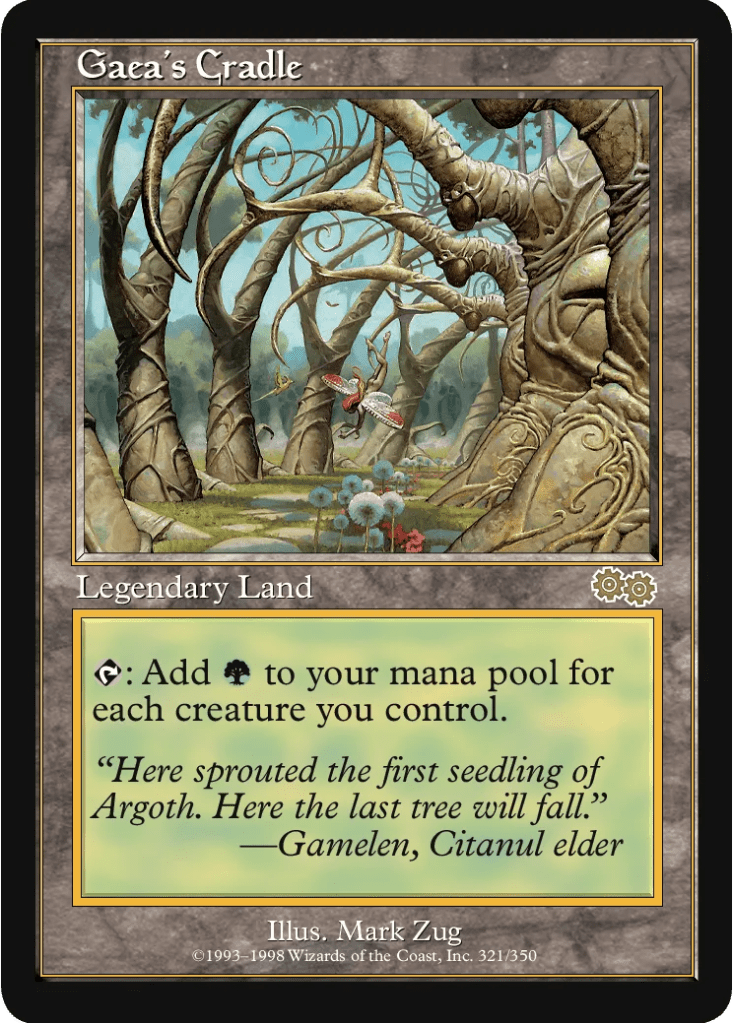
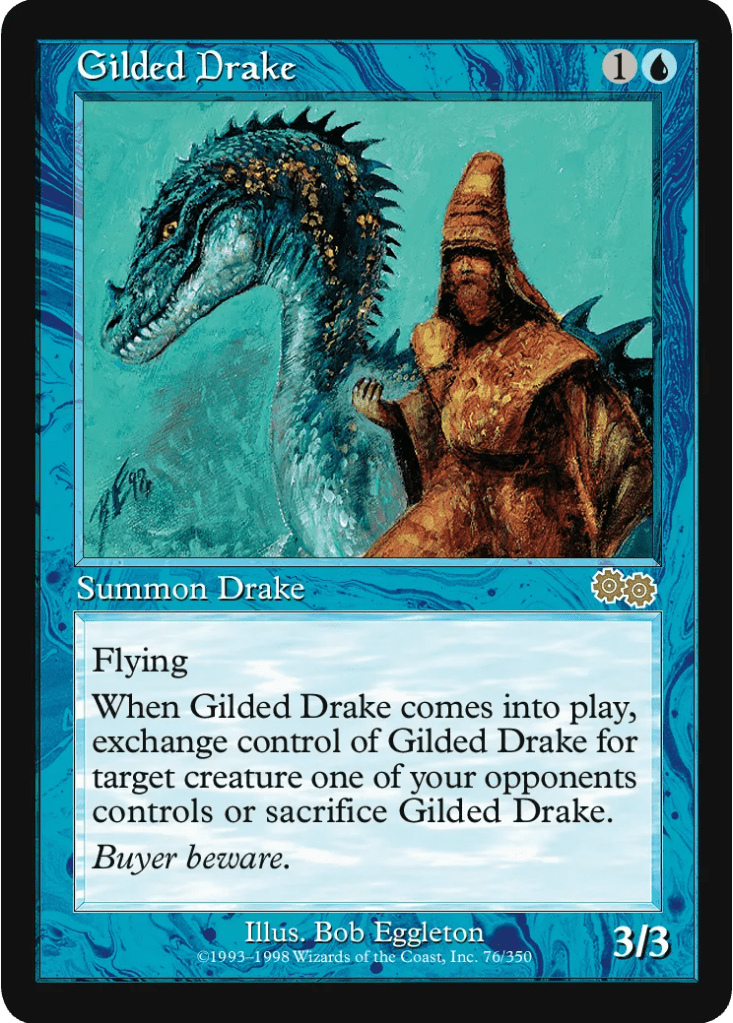
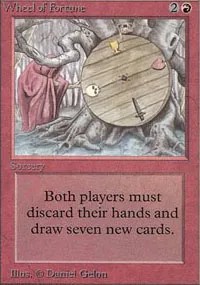
Commander is, and has mostly been, a pay-to-win format simply because of how expensive OG cards have become – the Gaea’s Cradle, Gilded Drakes, or Wheel of Fortune. New cards aren’t getting cheaper either, despite the power creep we’ve been seeing in the past 3 years. Cards like Jeska’s Will, Force of Negation, Teferi’s Protection, and the new Emiratus cycles are good examples. Though streamlined $100 decks do exist that are capable of cheating out an Omniscience on turn 5, these are more of an exception rather than the norm. Going back to how cards and sealed products are getting more expensive year on year, the investment players put into these cardboard products seems to translate into a sense of entitlement that they should win, or win often, because they paid and invested in good cards.
If that’s the logic, then go and watch a few Legacy games where your entire 100-card pile is reduced to 1 land’s worth.
But I digress. Playing strong cards isn’t the problem. Misrepresenting your intention is. Starting with a lie is
I didn’t want my first article to be a rant-rave, but I honestly think this kind of behavior needs to be called out and has to stop. The majority of EDH players allocate the majority of a day, likely their weekends, to play several rounds of EDH, hoping to have fun, make friends, learn the game a bit more, and go home feeling good and maybe with an idea on how to improve their deck. They would love to go home and remember how awesome the decks were that day, and how they saw their deck pop off and do its thing. Ideally, they would have one or two games, which helps them sleep better that night, too.
And this is truly possible if everybody just had honest intentions to start with, rather than having more turn-zero conversations. If you’re strong – own it. People wouldn’t label you if you had the courtesy to let people know so they can adjust (or you can adjust if they can’t). If you know you’re strong, be prepared to be the archenemy – that’s half the fun. Now, if you don’t want to be targeted, then play accordingly. If you’re new or have brought a real bracket 2 deck to a bracket 3 table, then don’t expect or feel entitled that your plays won’t get interacted to – playing a weaker deck for the power level of your chosen table is your choice, so you need to accept the consequences as well.
That’s enough sharing (or ranting) for today’s post. I hope you can share this with people you play with in your LGS and start holding people accountable. If we tolerate people who act this way, they will keep doing it to other tables and other playgroups. This just means more people will have more unpleasant playing experiences.
With that said, thanks for reading!
By the way – stop rolling that die to decide who to attack. You chose to play a strong creature, so you’re held accountable for deciding where it goes. Own it!
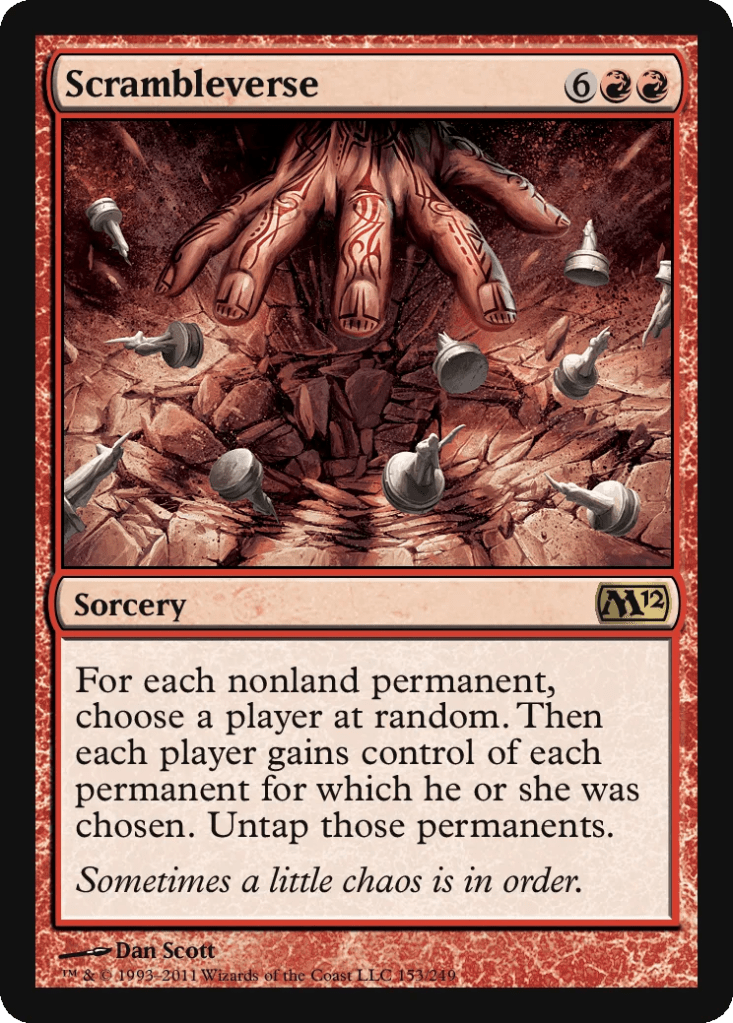
Next post – The Art of Kingmaking, and why they’re the biggest douche.
 Forbidden Alchemy
Leave a comment